One Percent of Farming
A photo essay on access, responsibility, and the farmers we rely on.
Written and Photographed by Ian Virtue
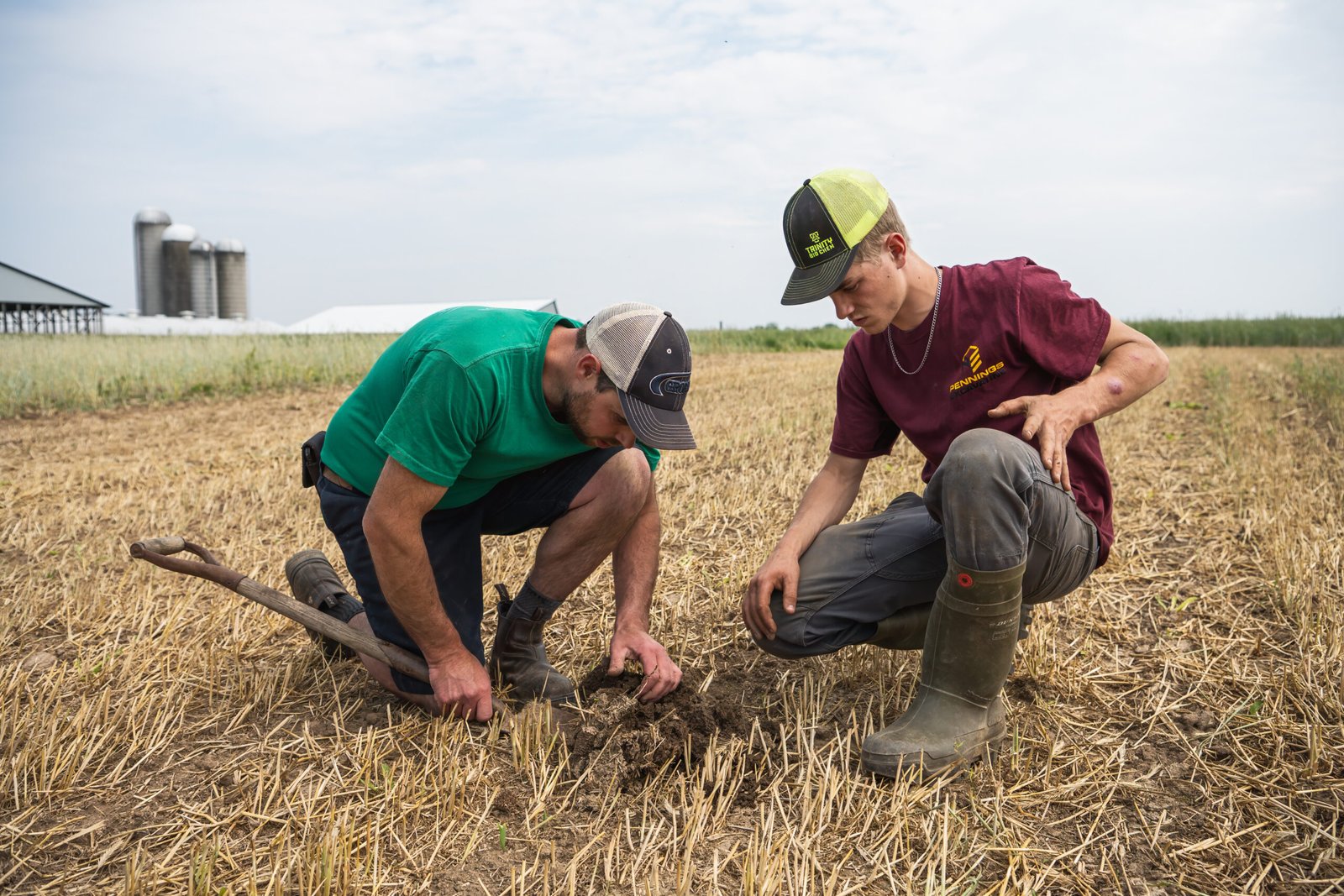
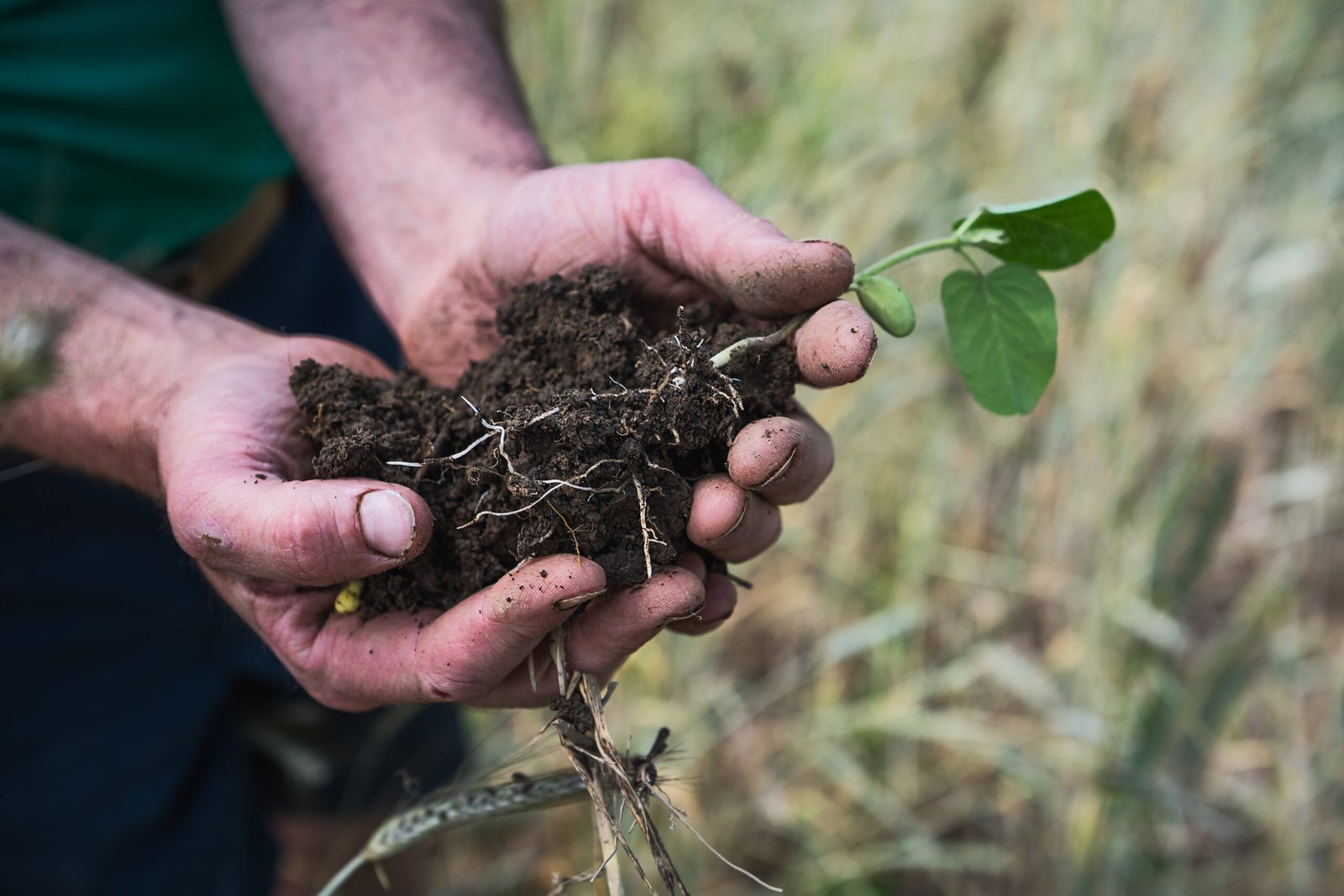
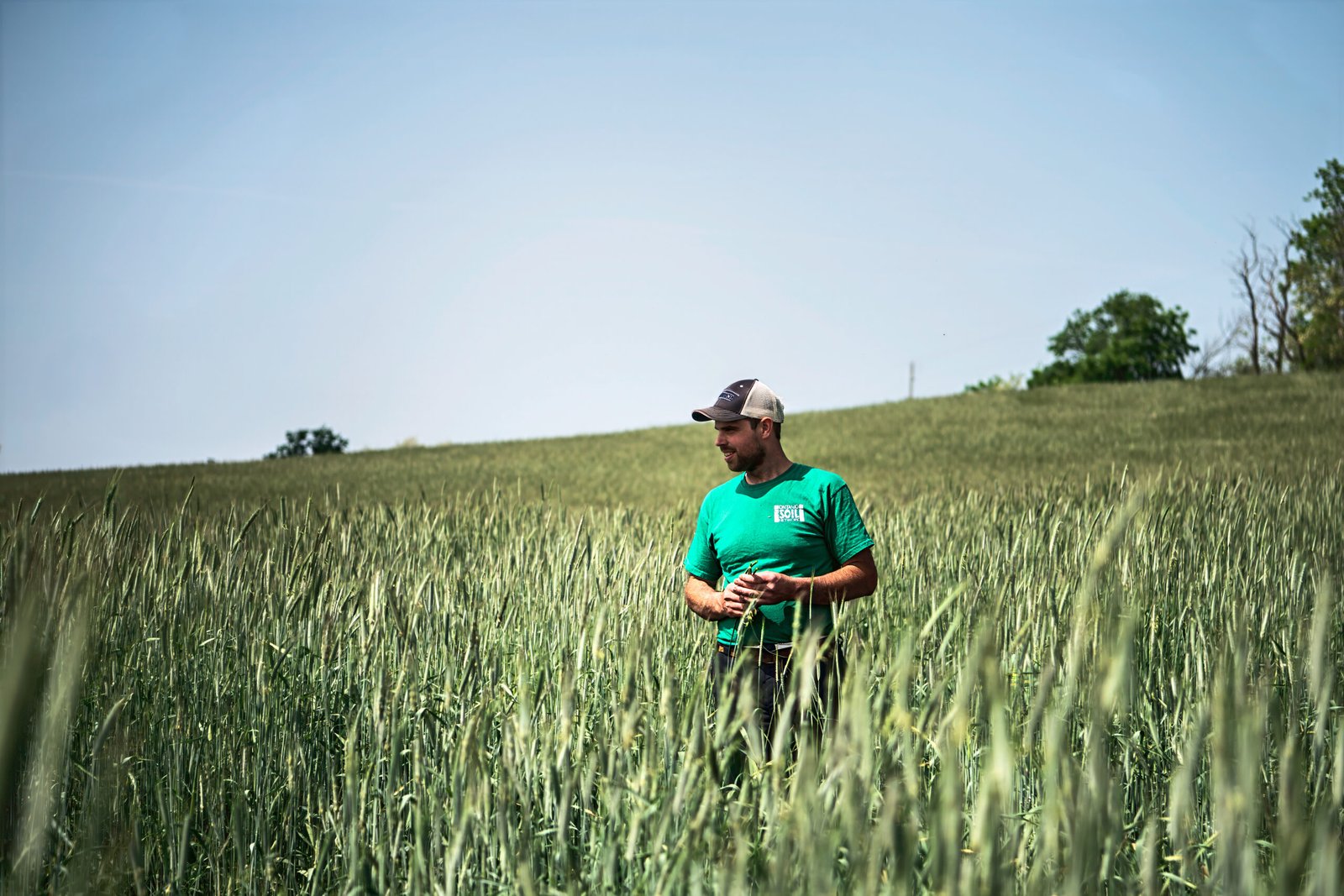
This story was captured during a visit with an Ontario farmer connected to the Ontario Soil Network in early summer 2025.
It reflects a moment of access and learning — not a comprehensive portrait of farming, but a glimpse into the people and practices that sustain Canada’s food system.
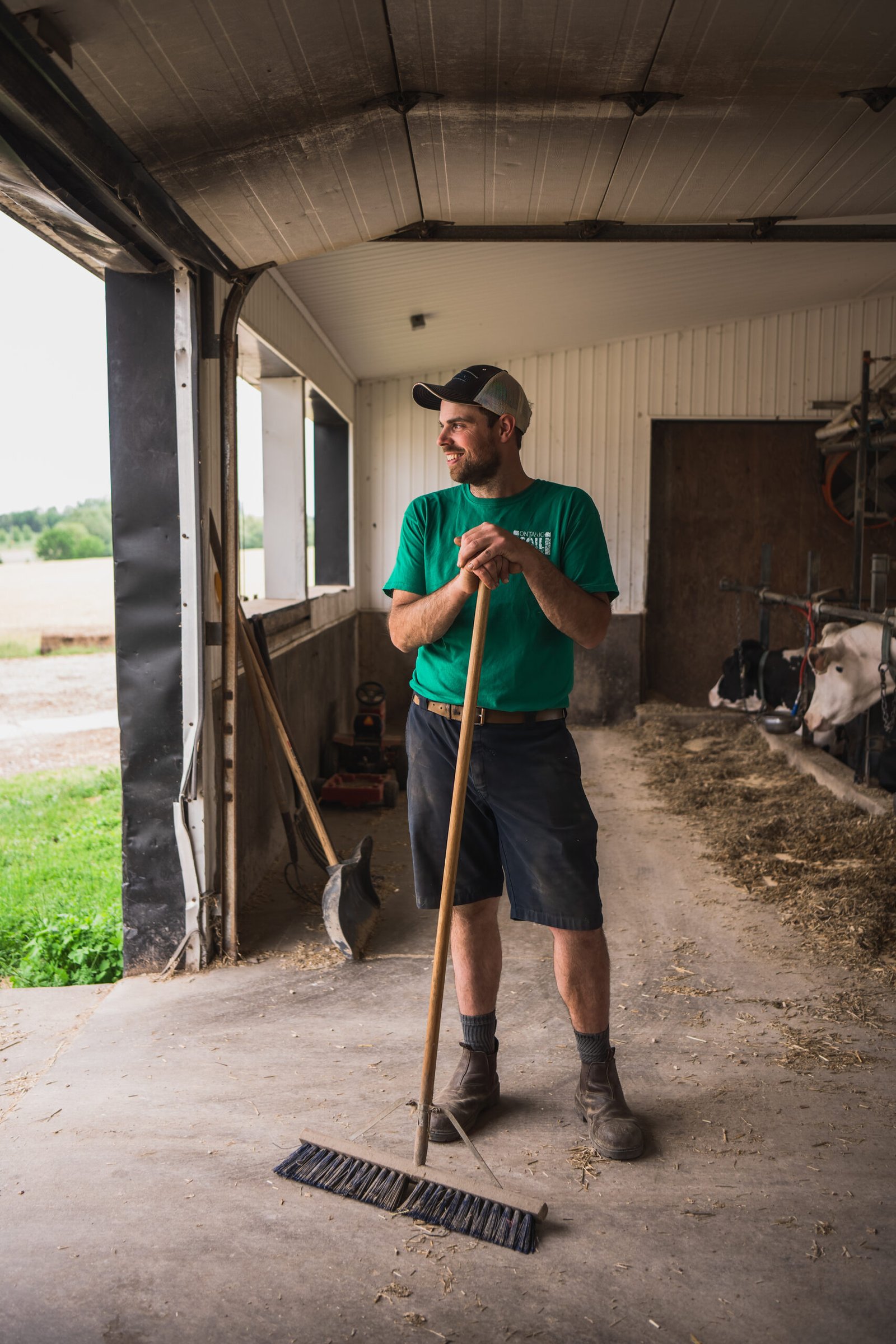
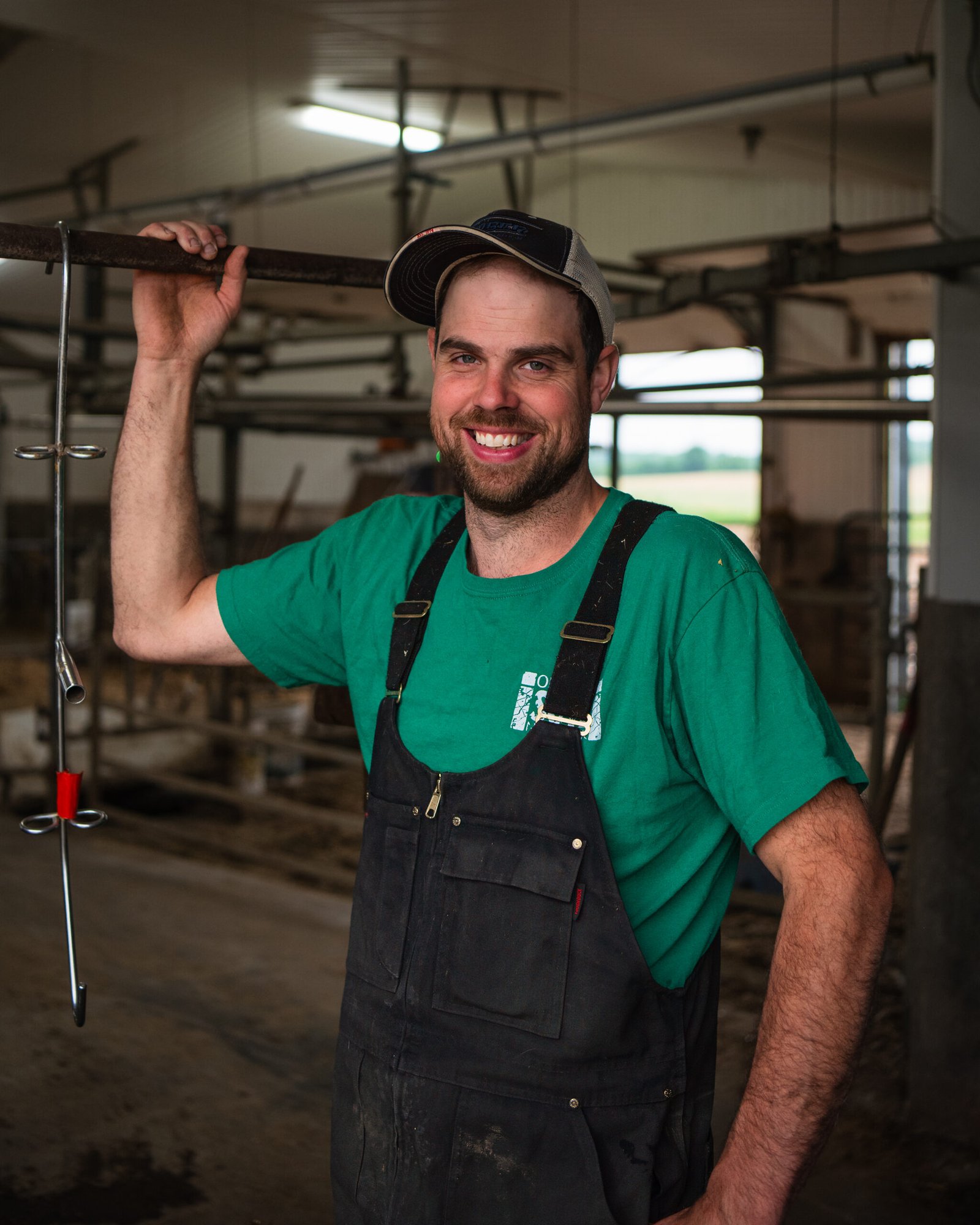
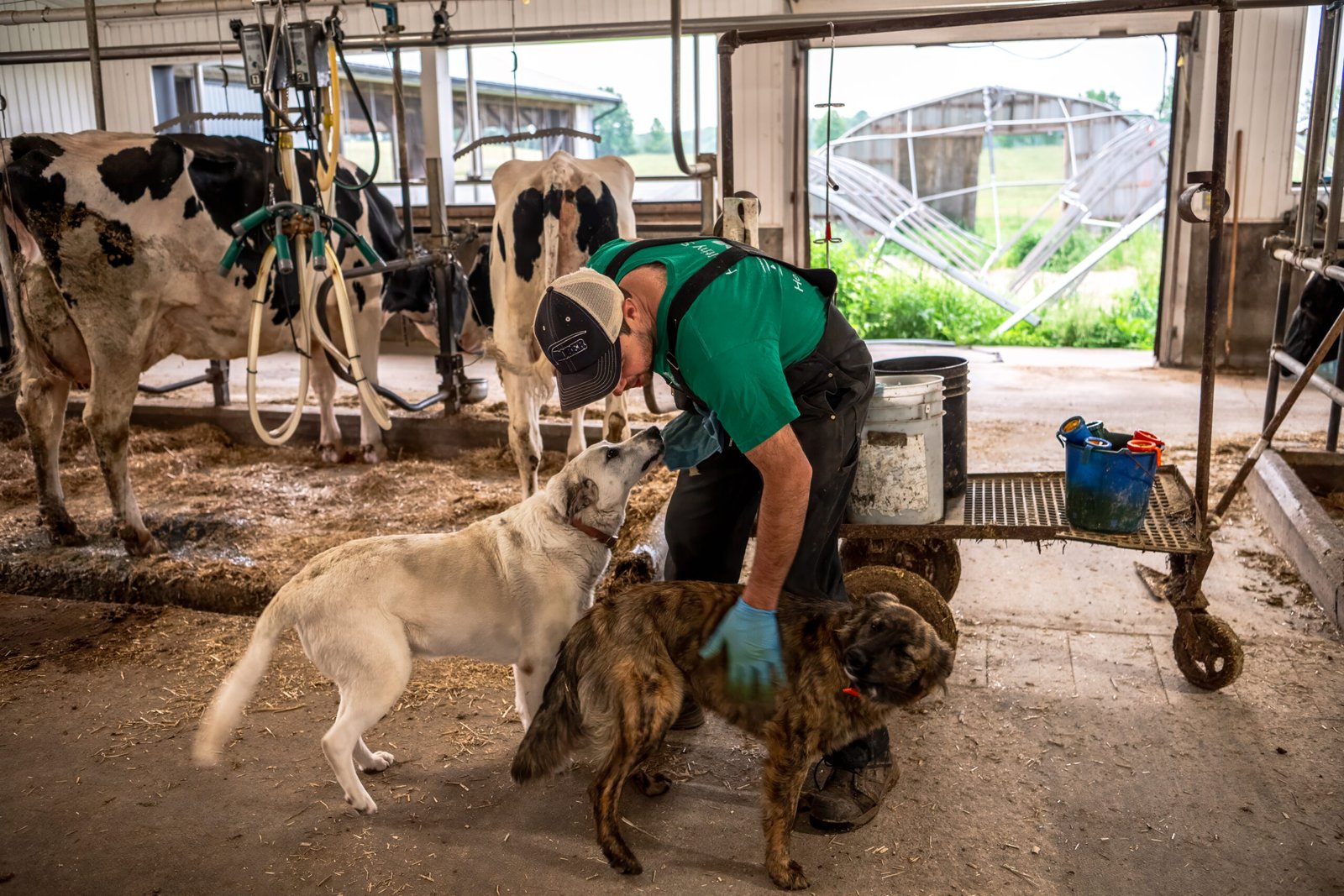
It was just after 6:00 a.m. when I pulled into Gordon Alblas’s farm just outside Brachton, Ontario. The light was still thin, mist clinging low over the fields. I’ve known Gord since my first days with the Ontario Soil Network, back when I stepped into agriculture as an outsider with a notebook and camera. At the time, I joked that I understood maybe one percent of what it meant to be a farmer. Two years later, the joke still holds, though not because I’ve learned so little, but because the distance between what I know and what remains unseen has only grown wider.
This wasn’t my first time stepping into Gord’s dairy barn, but it felt different that morning. He wasn’t just a farmer I’d met through work; he had become a friend. Gord’s personality is electric. Curious, generous, unwilling to let anyone feel foolish for asking a question. “There are no stupid questions,” he reminded me often, a kindness I leaned on while fumbling through the steep learning curve of agriculture. That morning, he welcomed me in as if it were the most ordinary thing in the world, telling me to make myself at home as I quietly moved around with my camera.
I didn’t realize until later how extraordinary that access really was. As my boss would later point out, “getting into a dairy barn during milking is a feat in and of itself.” Gord had made it feel normal, but it was anything but.
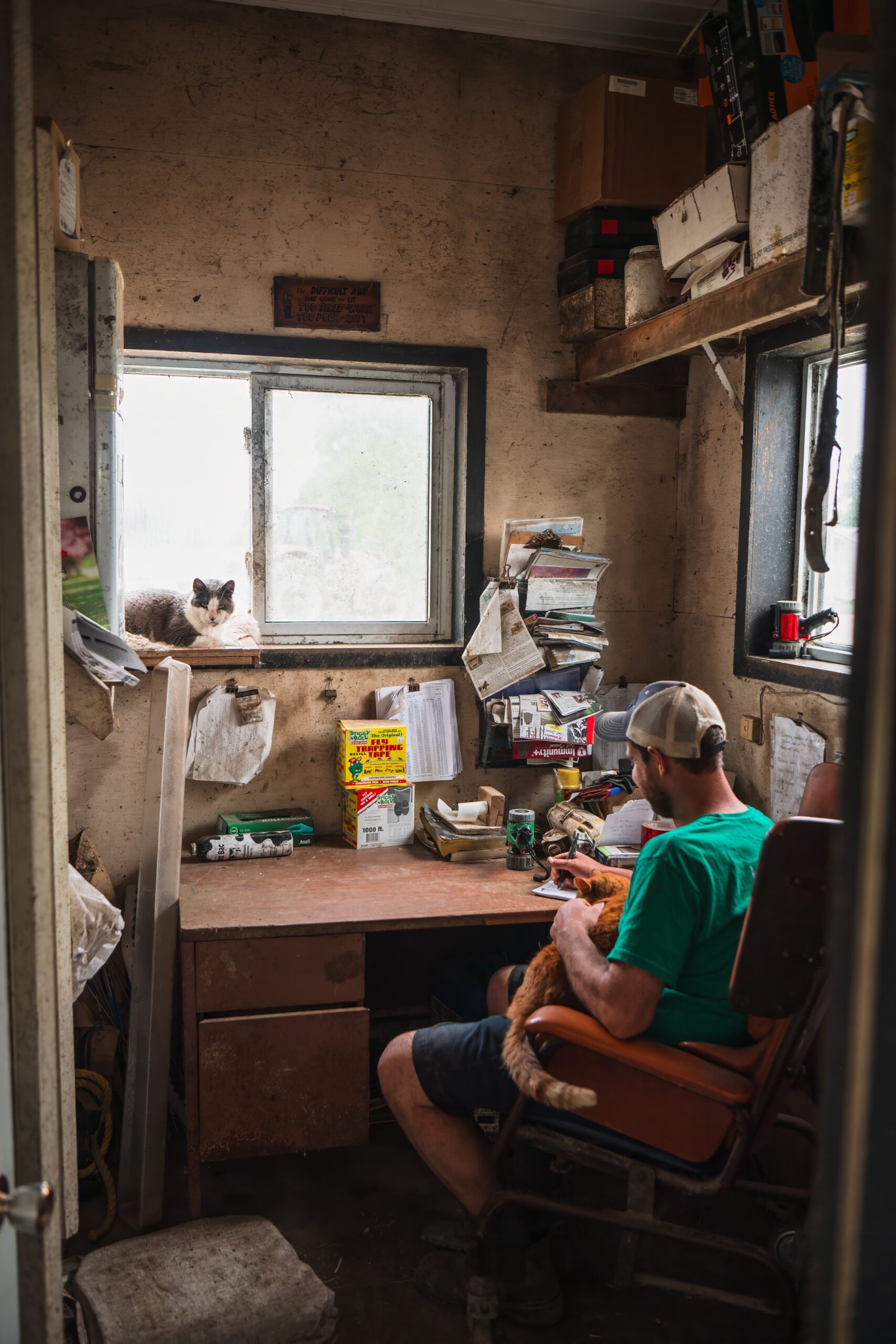
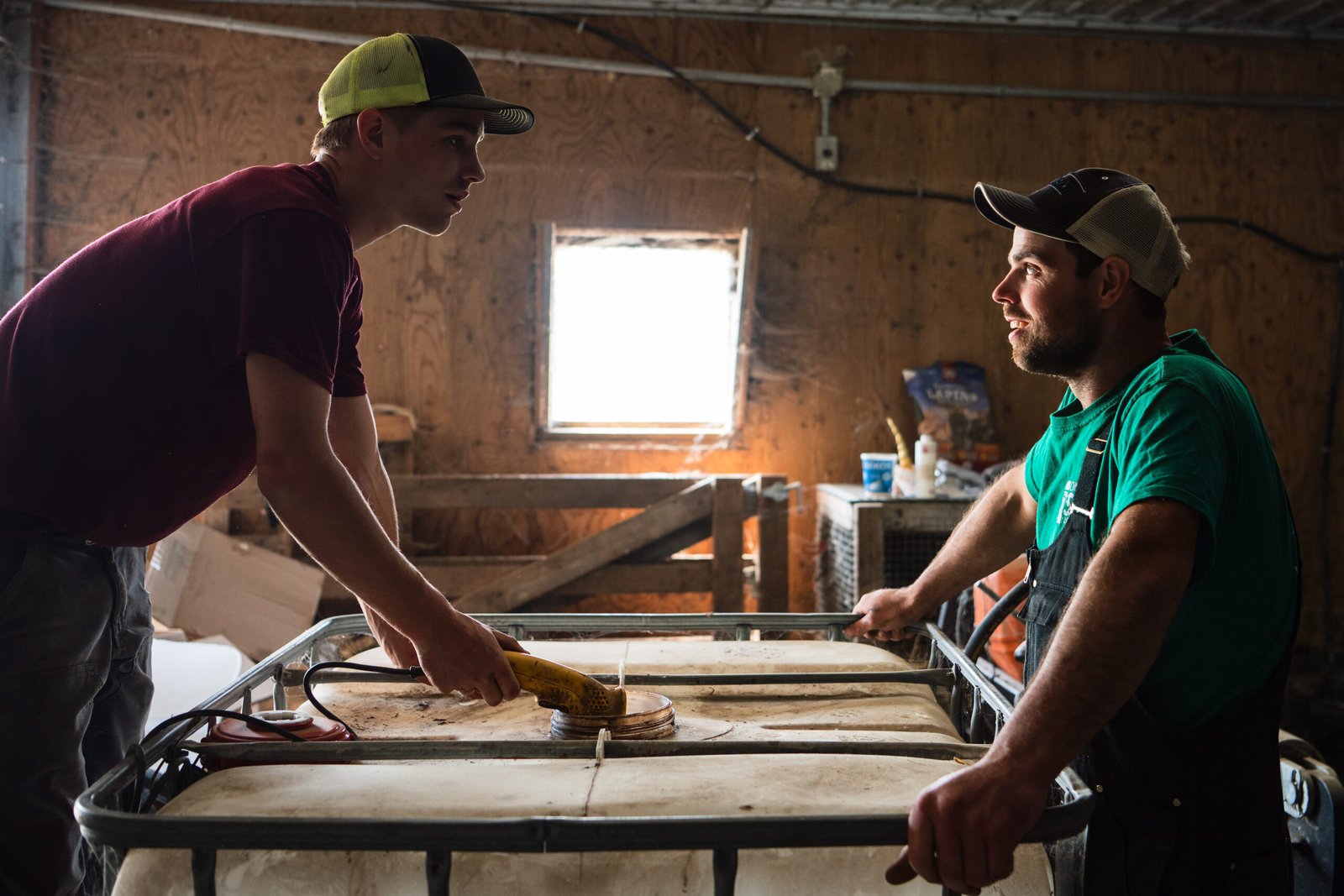
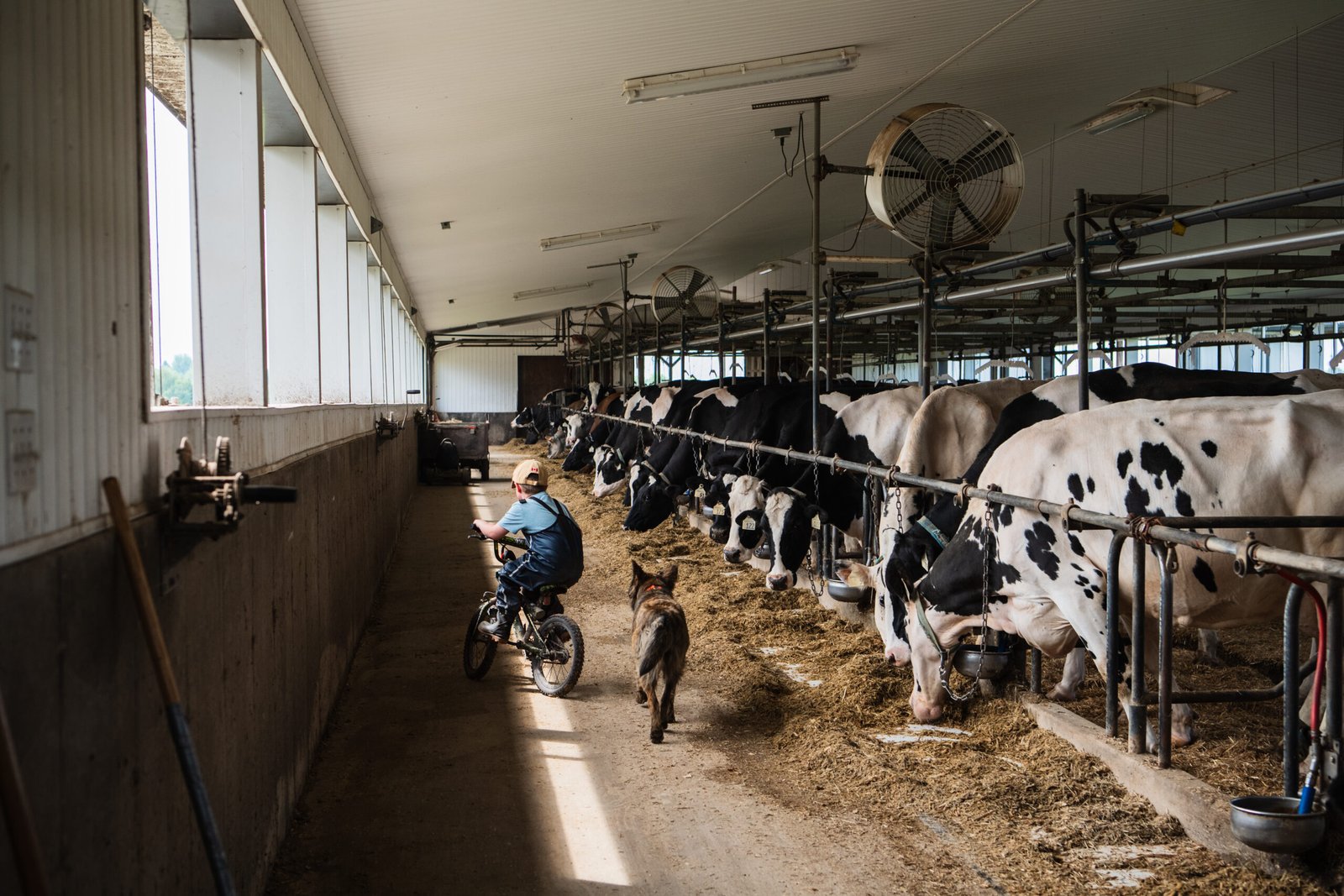
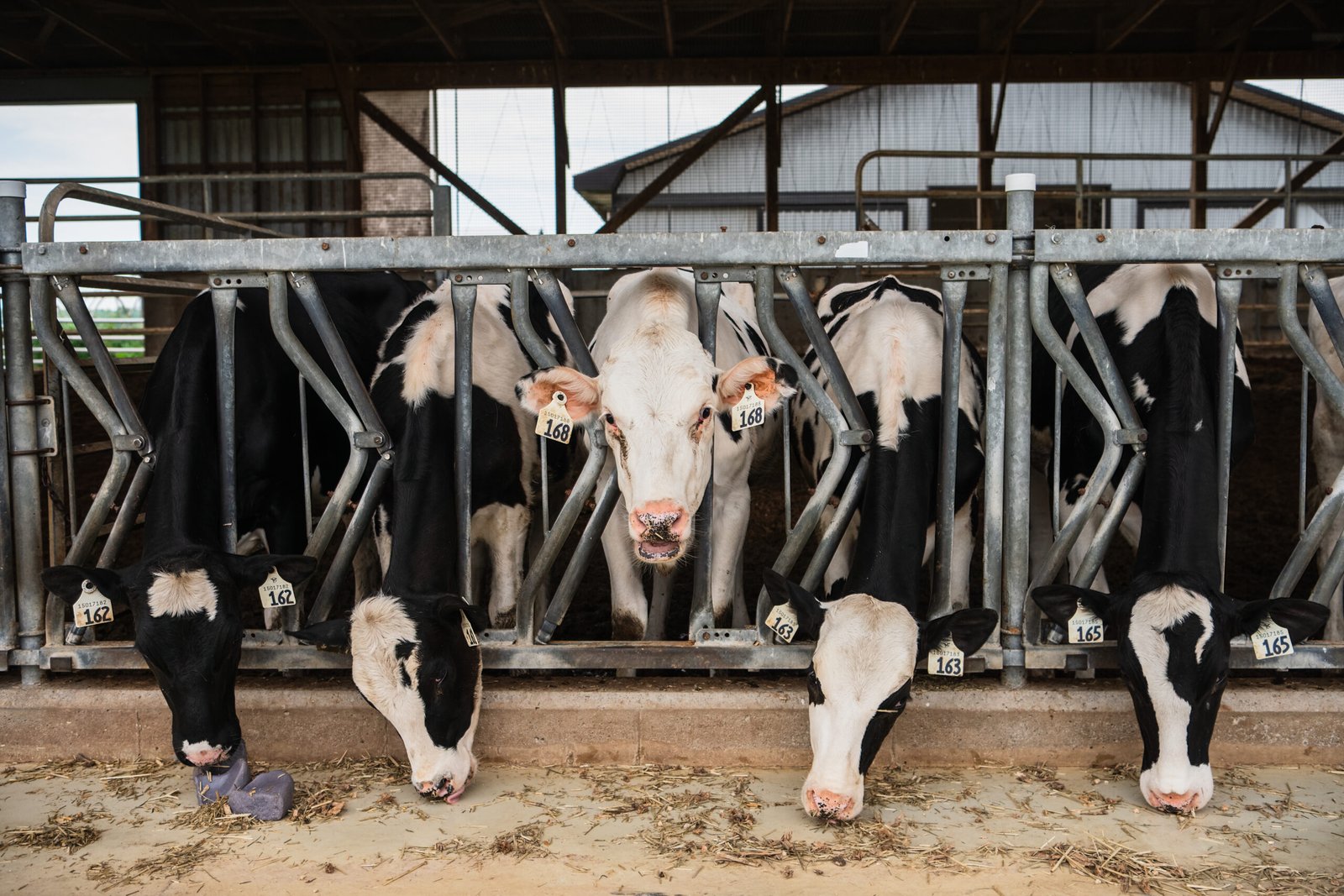
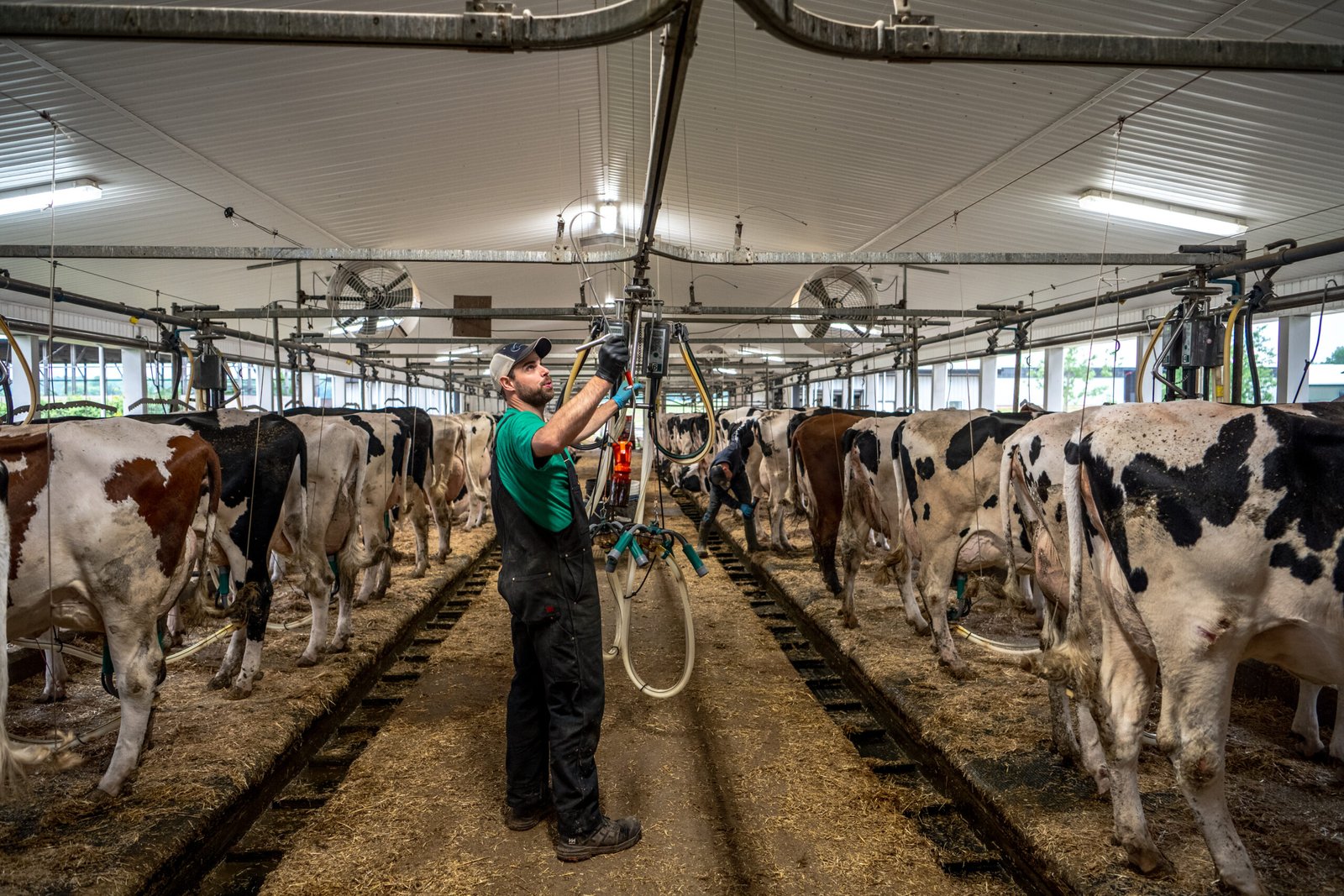
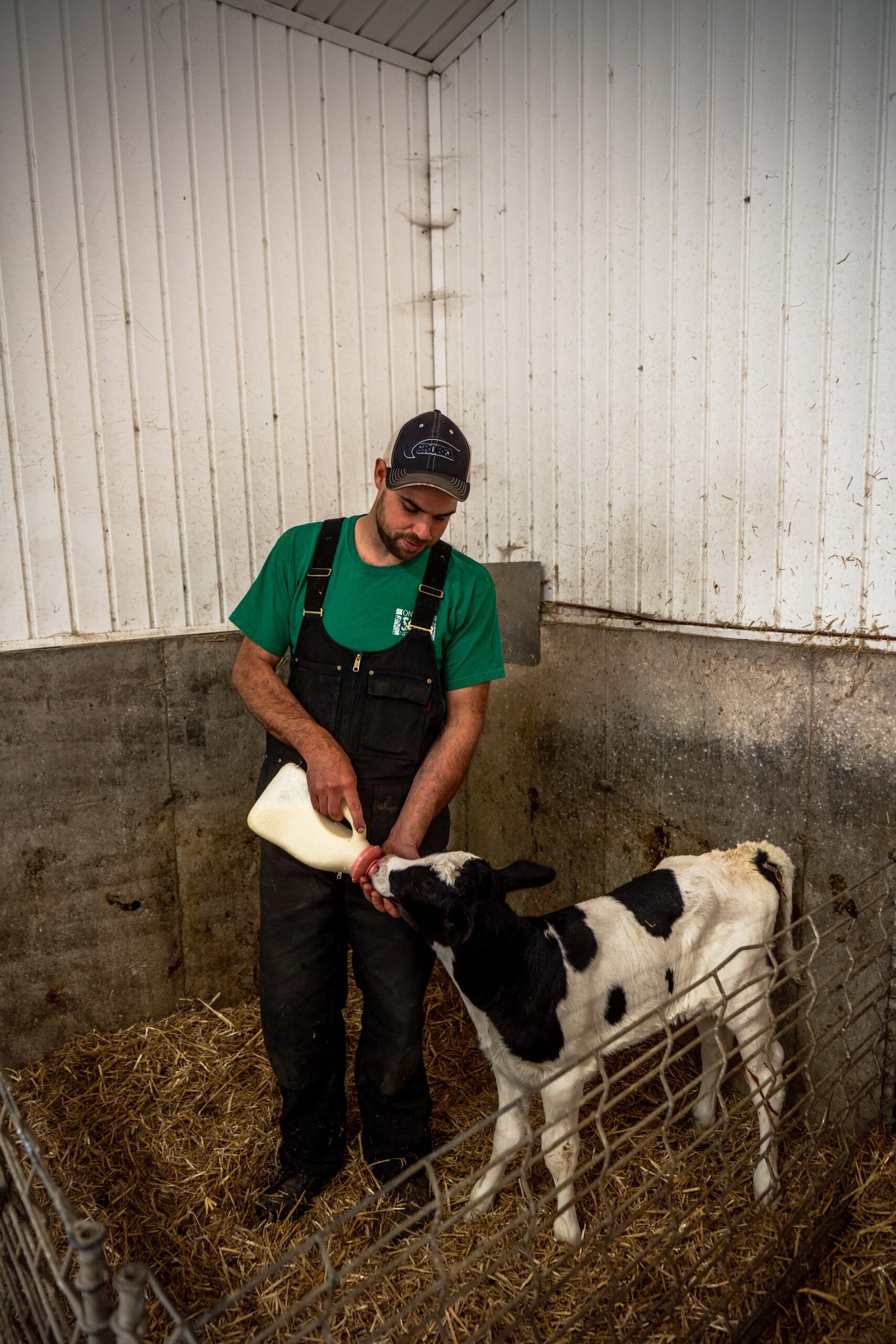
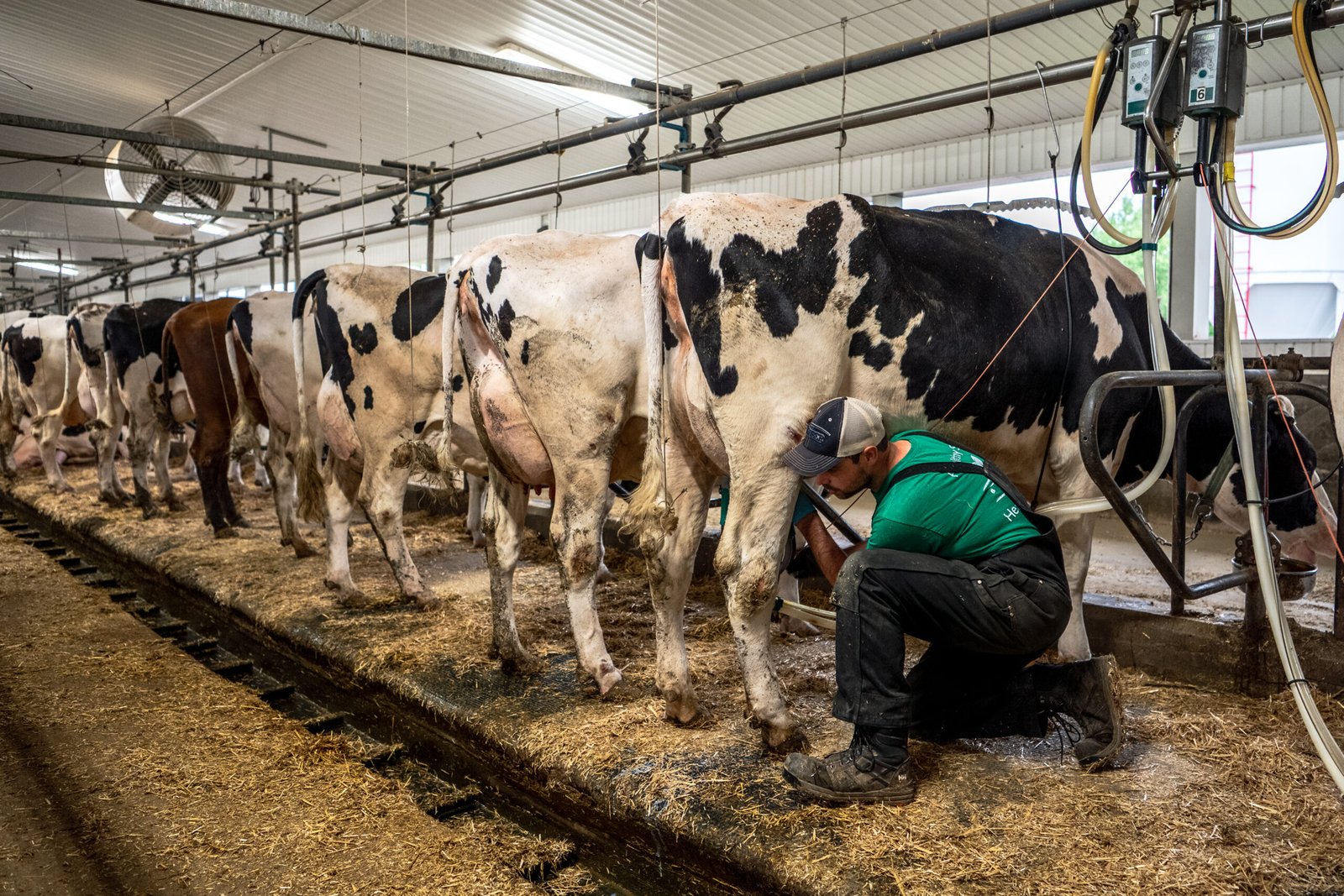
The day unfolded in rhythms I could only observe: the hiss and hum of the milking machines, the shuffle of hooves against straw, the quick movements of calves nudging for feed. Between chores, Gord and his wife invited me to the dining table. We shared home-cooked meals, laughed with their children, and even found ourselves on the floor surrounded by toys. Each moment carried both the labor of farming and the closeness of a family bound up in it.
There is nothing glamorous about milking cows, feeding calves, or sweeping a barn floor—at least not to those who live it every day. But to an outsider with a camera, these small moments revealed a kind of quiet heroism. They showed the labour and intimacy of a life that most people never see, but that sustains us all in ways we often take for granted.
I was struck not only by the relentlessness of it, cows must be milked twice a day, every day, no exceptions, but also by the fatigue etched in the routine. And yet within that fatigue, I saw optimism: the laughter of children, the pride in problem-solving alongside a neighbor, the steady focus that comes from knowing the work matters.